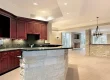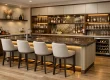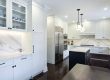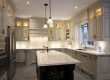
Merging your kitchen and living area into a unified, open space can transform how you live, entertain, and enjoy your home. This modern layout removes barriers, brings in natural light, and creates a seamless flow that suits today’s lifestyle. If you’re considering a combined kitchen-living room, here’s how to make the most of the design while retaining comfort and elegance.
Creating an integrated space goes beyond knocking down a wall—it’s about designing with intention. Choosing cohesive styling is key to ensuring your open-plan space feels connected and curated rather than chaotic. Look for design themes—like minimalist modern, mid-century, or industrial—and weave their elements throughout both areas. Consistent shapes, motifs, and material choices create harmony.
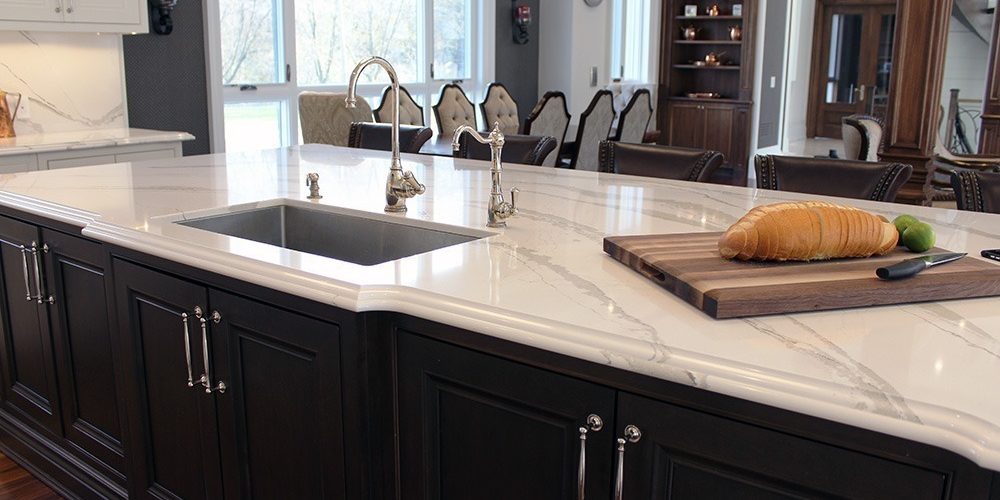
Using texture is another powerful tool. Incorporating contrasting materials—like stone countertops paired with soft upholstery or woven baskets alongside sleek cabinetry—links the zones naturally. This blend enhances visual depth, especially in spaces with neutral palettes, making both zones feel rich yet balanced.
Maximizing natural light is a major advantage of a combined kitchen and living area. Without dividing walls, sunlight can flood the space, making it brighter and more welcoming. This fosters a feeling of openness and connection that’s difficult to achieve in separated rooms.
Functional zoning helps maintain clarity within an open layout. Use islands, sofas, or rugs to define each area without blocking flow. A kitchen island not only offers extra prep space and storage—it also serves as a gentle divider between cooking and lounging zones. Area rugs beneath living room furniture subtly anchor that space, creating cozy comfort distinct from the culinary zone.
Lighting also plays a crucial role. Diverse fixtures—pendants over the island, floor lamps by seating, and wall sconces in between—provide both function and ambiance. Thoughtful layering of lighting ensures each zone is well-lit and inviting.
Consistency in flooring strengthens the illusion of a unified space. Using the same surface across the kitchen and living areas helps the eye travel uninterrupted, while also enhancing the perception of spaciousness.
Colour palettes further define connection without uniformity. Neutral base tones create cohesion, while pops of complementary Colour in accent pieces or decor help each zone make its own statement.
Design-wise, a “broken floor plan” strikes an elegant balance between openness and function. This layout retains an airy feel but introduces subtle separations through strategic furniture placement, texture changes, and decor shifts—maintaining intimacy without enclosing the space.
That said, combining these areas isn’t for everyone. Open layouts can expose cooking clutter and odors to the living area, and keeping the space tidy requires more effort—if you’re an avid cook or prefer clear boundaries, a combined layout may challenge your habits.
Before embarking on this design path, it’s important to check with professionals. Load-bearing walls, structural elements, and ventilation systems may affect what’s possible. Consulting experts ensures your project is safe, functional, and compliant with building codes.
Why This Works for Joseph Kitchen and Bath Clients
A combined kitchen and living area offers a space tailored to modern living—where family, food, and friends all inhabit the same space without barriers. For homeowners who value light, connection, and versatility, this layout creates a home that adapts to everyday life while elevating design.
At Joseph Kitchen and Bath, we specialize in open-concept layouts that maximize both function and style. Whether you’re rethinking your kitchen, reimagining your living area, or creating a unified space, our team can help bring your vision to life with craftsmanship and attention to detail.